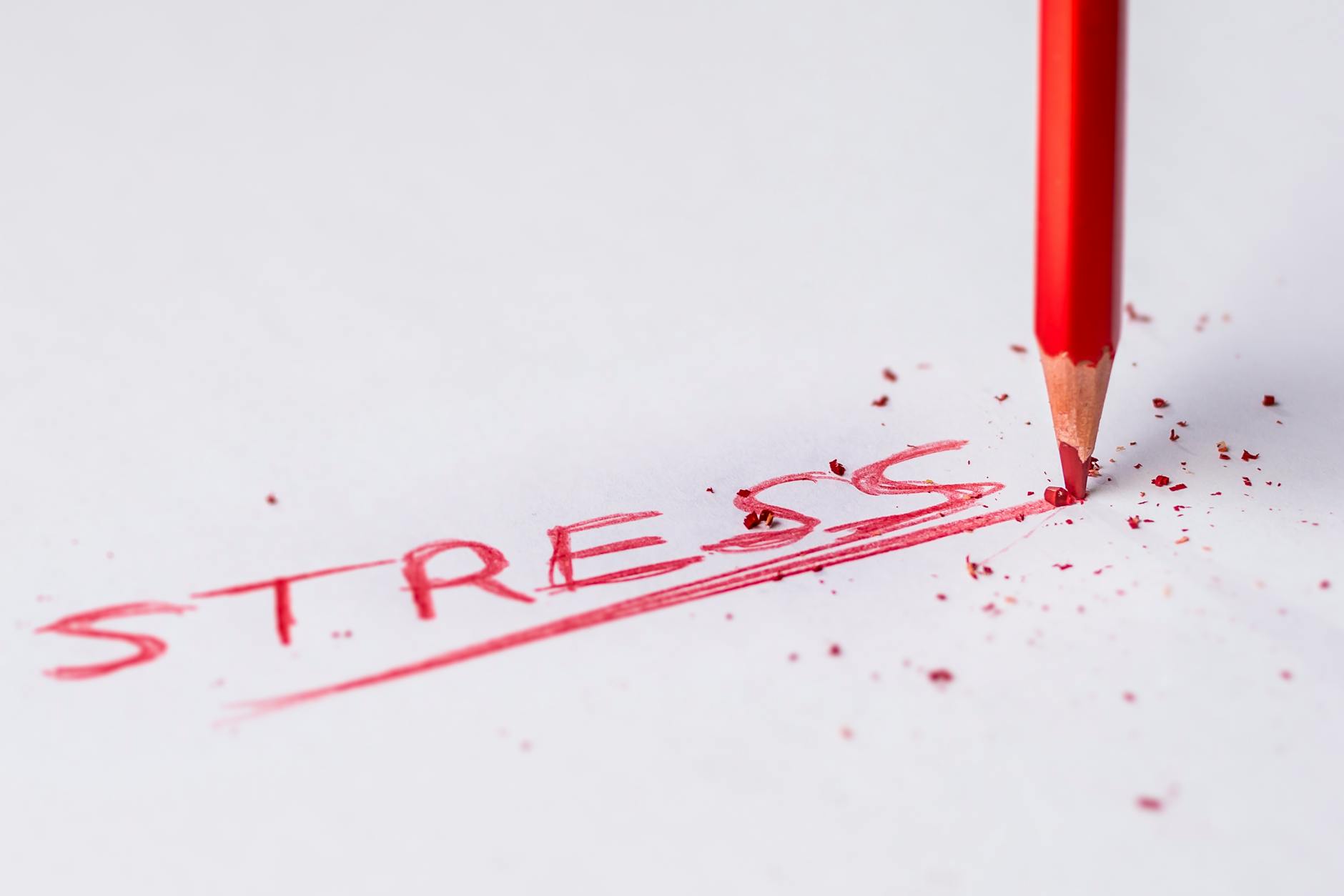
December 25th is just a few weeks away, and in Kenya, that means schools are closed, and families are preparing for the holidays. While the festive season brings joy, it’s also a time of heightened stress for many. The pressure of social engagements and the financial strain of living in a capitalist system add to the burden. As the holiday season approaches, it’s important to recognize and manage the stress that can accompany this time of year.
What Does Research Say About Holiday Stress?
Research shows that holiday stress is a global phenomenon often linked to increased social obligations, financial strain, and disrupted routines. Many people experience higher levels of anxiety, depression, and stress during the holiday season due to these factors. One solution proposed by research is the practice of mindfulness, which involves staying present in the moment and acknowledging your feelings without judgment.
Mindfulness practices, such as meditation or focused breathing, have been shown to reduce stress and improve mental health. A study by the American Psychological Association found that mindfulness helps lower cortisol levels—the hormone responsible for stress. Incorporating a few minutes of mindfulness into your daily routine, especially during the busy holiday season, can help you remain grounded and manage holiday-related stress more effectively.
1. Build a Support System for the Holidays
Did you know that you can create a system of support even during the holidays? Our brains need regular nurturing, especially during times of high stress. Stress can build up quickly whether it’s family expectations, preparing for festivities, or financial pressures. The good news is that taking as little as five minutes each day to process your stress can make a difference.
You might start with a simple breathing exercise or mindfulness practice, allowing your mind to reset. Engaging in small, intentional acts like journaling or connecting with a friend can also help relieve the holiday tension. Support doesn’t have to be complicated; it’s about creating little pockets of time to ground yourself and recognize when you need a break.
2. Manage Expectations and Set Boundaries
Another key to surviving the holiday season is learning to manage expectations—both your own and others. Family gatherings and social events can create emotional strain, especially when there’s pressure to fulfill certain roles or meet expectations. It’s essential to set boundaries that protect your mental well-being. Communicate clearly with family and friends about what you can and cannot handle this season. Remember, it’s okay to say no to some engagements or to scale back on gift-giving if it’s causing financial stress.
Setting realistic goals for what you can accomplish during the holidays can also help. Don’t feel pressured to create a “perfect” experience. Instead, focus on what brings you genuine joy and peace, and let go of unnecessary expectations.
3. Prioritize Self-Care During Festivities
Amid the holiday rush, don’t forget to take care of yourself. Prioritizing self-care is crucial during a busy season, and it doesn’t have to be time-consuming. Small acts of self-care—like taking a walk, enjoying a quiet cup of tea, or listening to your favorite music—can make a big difference in your mental health. Recognize when your energy is drained and give yourself permission to recharge.
By acknowledging the stress that can come with the holiday season and taking steps to manage it, you can make the most of this time with your loved ones. Remember, it’s not about doing everything perfectly but about creating moments of peace amid the holiday bustle.
Conclusion
In conclusion, the holiday season, while often accompanied by joy and celebration, can pose significant challenges in terms of stress management. By understanding the underlying factors that contribute to this stress and actively engaging in self-care practices, individuals can cultivate a healthier relationship with this time of year. Implementing strategies such as recognizing personal stress triggers, establishing a robust support network, and incorporating mindfulness techniques are essential steps toward emotional resilience.
Ultimately, the holiday season can be transformed from a period of pressure into one of balance and well-being, allowing for deeper connections and a more fulfilling experience. Embracing these practices not only enhances the enjoyment of the holidays but also promotes long-lasting emotional health that extends beyond this season.
 Growth Catalysts